Optimal Timing for Poison Ivy Control
Effective Poison Ivy Controls depend on timing to maximize eradication success. The optimal period varies based on plant growth cycles and environmental conditions. Proper timing ensures that treatments target the plant when it is most vulnerable, reducing regrowth and spread.
Applying controls in early spring before leaf emergence can prevent Poison Ivy from establishing a strong foothold during the growing season.
Treatments during late spring or early summer are effective as the plant is actively growing, making it more susceptible to herbicides.
Fall treatments can be effective as the plant prepares for dormancy, but may require repeat applications for complete eradication.
In winter, when the plant is dormant, herbicide absorption is limited, making this a less ideal time for control efforts.
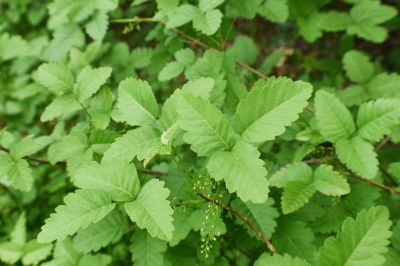
New growth appears in early spring, making it an ideal time for targeted control.

During late spring and early summer, Poison Ivy is most vulnerable to herbicides.
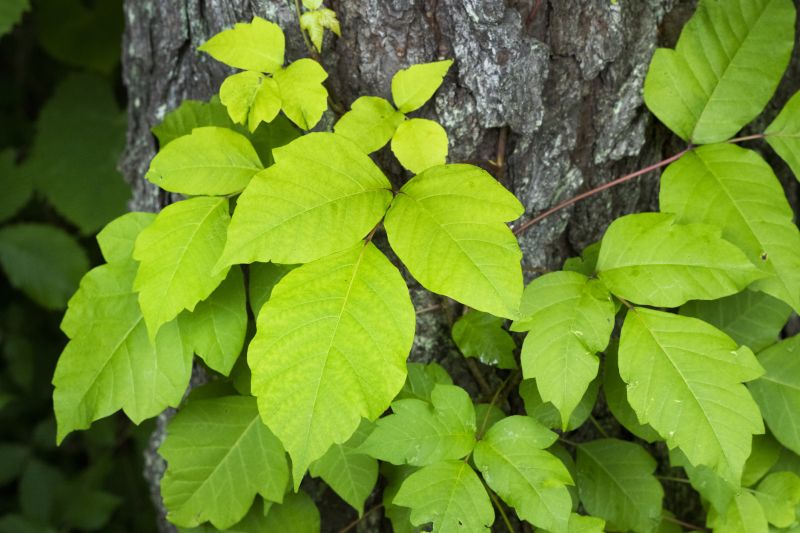
Leaves change color and the plant prepares for dormancy, reducing herbicide effectiveness.
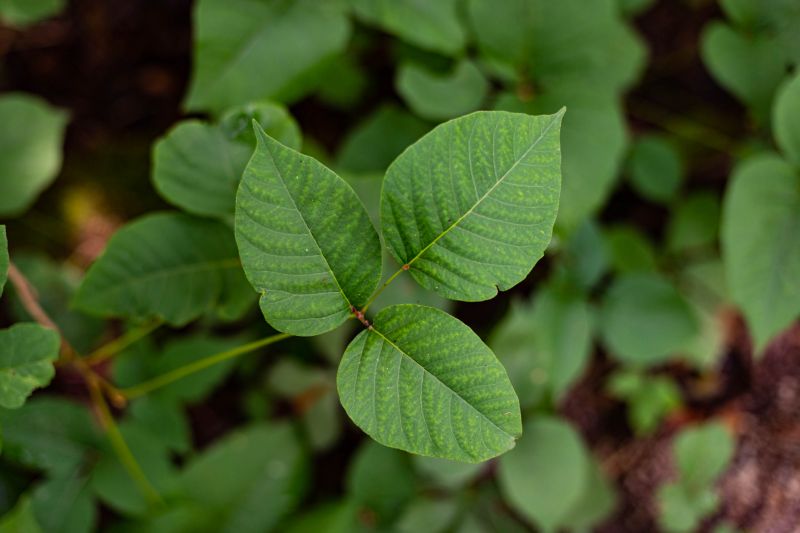
Ways to make Poison Ivy Controls work in tight or awkward layouts.
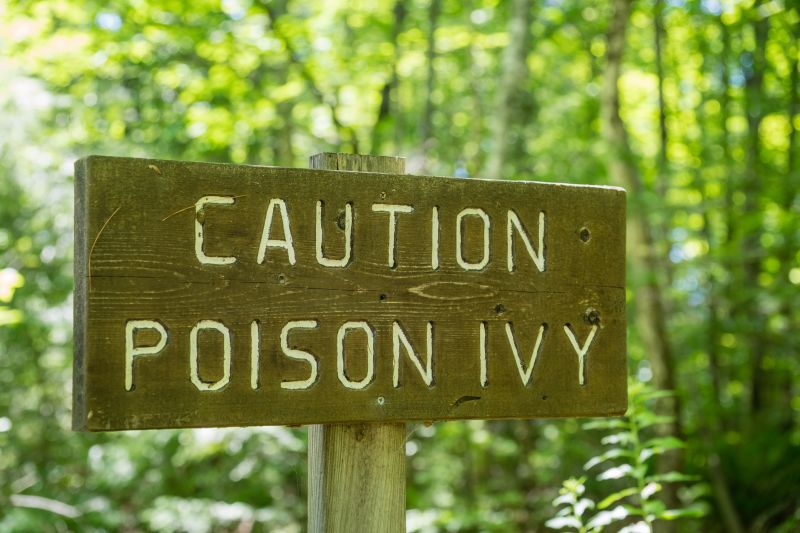
Popular materials for Poison Ivy Controls and why they hold up over time.

Simple add-ons that improve Poison Ivy Controls without blowing the budget.
| Timing Period | Recommended Actions |
|---|---|
| Early Spring | Apply herbicides before leaf emergence for prevention. |
| Late Spring/Early Summer | Target actively growing plants for maximum effectiveness. |
| Late Summer/Fall | Use fall treatments with possible repeat applications. |
| Dormant Season | Less effective; consider other management methods. |
| Post-Exposure | Remove plants immediately after contact to prevent spread. |
Poison Ivy Controls are most successful when timed according to the plant's growth cycle. Early intervention can prevent extensive spread, while late-season treatments may require multiple applications. Understanding these timing windows helps in planning effective management strategies.
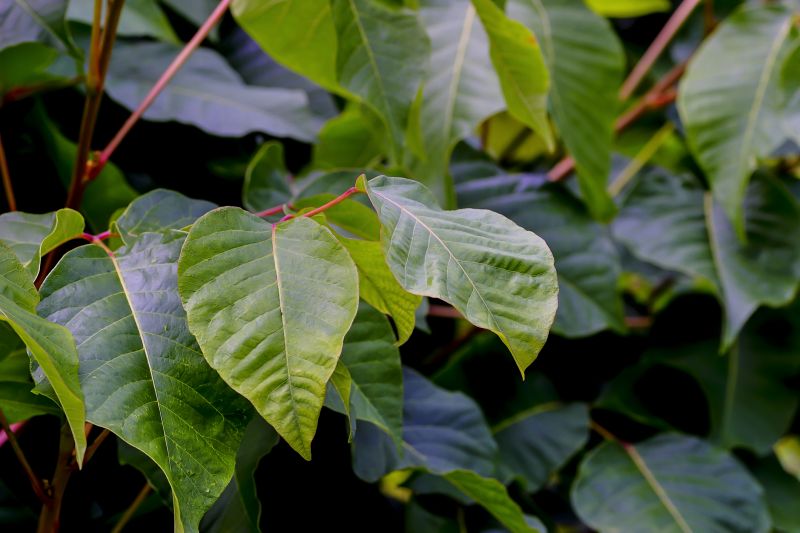
Poison Ivy begins to grow, making early treatment crucial.
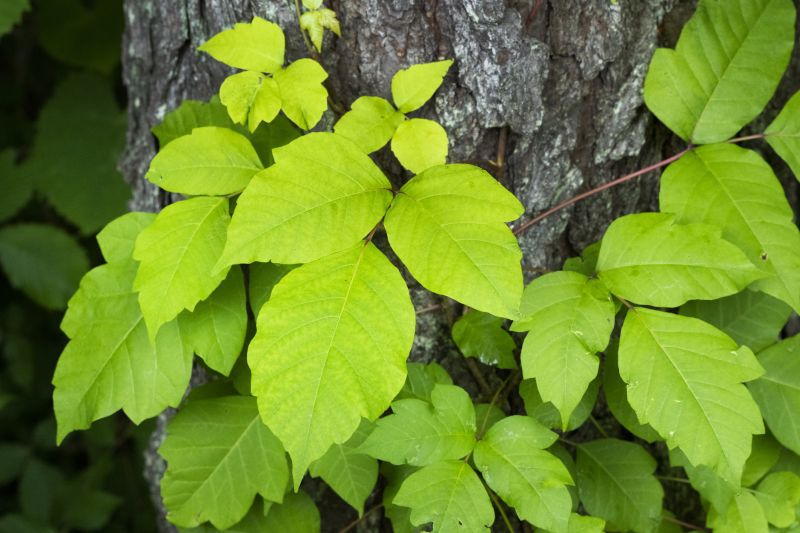
Herbicides are most effective when Poison Ivy is actively growing.
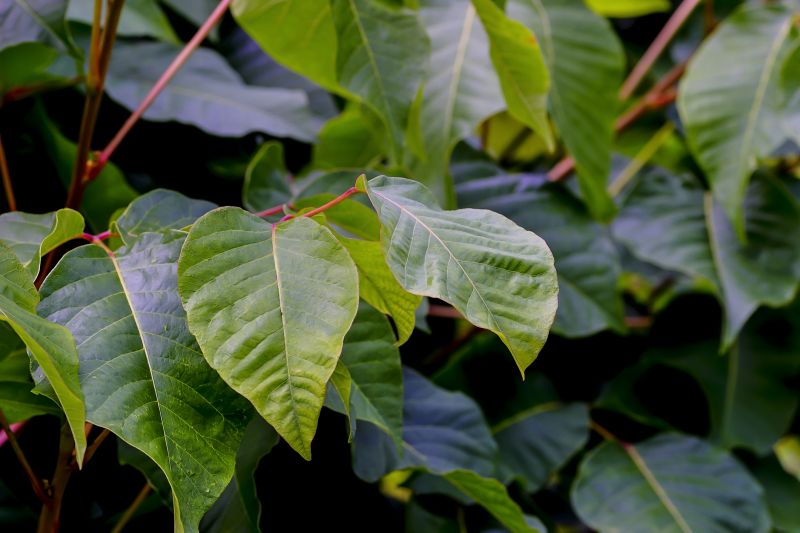
Leaves change color; plant may be less responsive to treatments.
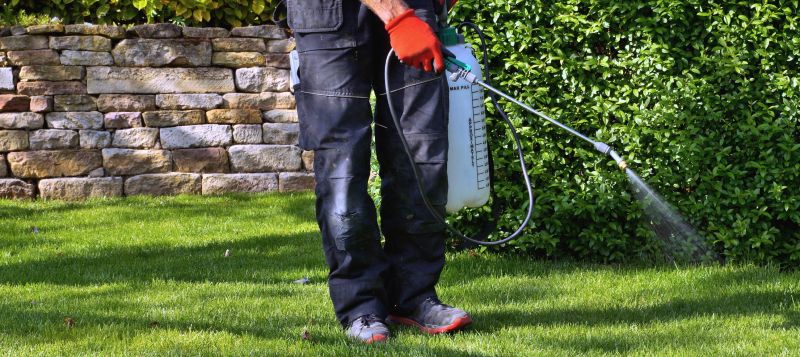
Plant is dormant, and herbicide absorption is limited.
Timely application of Poison Ivy Controls reduces the risk of allergic reactions and environmental spread. Proper timing combined with appropriate treatment methods ensures better control outcomes.
For effective Poison Ivy Control, it is recommended to monitor plant growth stages and plan treatments accordingly. Consulting with professionals can optimize timing and application techniques for best results.